
Investing in solar power is one of the most effective ways to reduce your electricity bills and lower your carbon footprint. The most common question we get from homeowners is "what size solar panel or battery do I actually need?"
Choosing the right system size is a balance between your budget, current electricity use, physical roof space, and future energy goals. At Jet Solar, we’re always happy to help you find the perfect fit.
So, if you’re ready to invest and currently looking for solar installers in Melbourne, we’re going to explain the requirements around sizing and help you make an informed decision.
Calculating the right size involves more than just looking at your last bill. You need to account for how much sunlight your roof receives and how much of that solar energy you can use as it is generated.
The goal is to match the power output of your solar array with the habits of your household. For those looking to maximise their solar power usage, there are some fantastic solar battery rebates currently available!
If you’re ready to start saving on your power bills today and make a positive impact on the environment, reach out to our team today!
The amount of solar radiation that hits your panels determines their power output. In Australia, we have high solar radiation levels, but local factors still play a role.

To find the right system size, you need to look at your electricity usage patterns. Check your recent bills to find your average daily consumption in kilowatt-hours (kWh). A typical Australian household might use between 15kWh and 25kWh per day, though this varies significantly depending on the number of residents and types of electric appliances in use.
Daytime electricity use is the most important factor if you want a solar system without a battery as solar panels only produce power during the day. If you are home during daylight hours and using air conditioners, pool pumps, or washing machines, you can make better use of your solar power. This is the most efficient way to use solar energy because every kilowatt you use from your roof is a kilowatt you do not have to buy from electricity retailers at a much higher price.
The size of your roof will dictate the solar system size you can install. Modern solar panels are more efficient, meaning you can get more power output from a smaller roof area than was possible five years ago.
When planning your solar panel installation, you need to know how much room each system takes up. Most residential solar panels are roughly 1.7 to 2 square meters in size.
Generally, most Australian households will opt for a 6.6 kW system, which requires around 16 panels and 30-35 m² of roof area. SunSPOT has a solar calculator which will allow you to get a rough estimate of how many panels will fit on your property.
Of course, it's important to contact Jet Solar for a detailed quote. If you have a complex roof with multiple gables or limited roof space, our team might recommend high-efficiency solar panel brands to maximise energy production per square meter.
Solar batteries store excess electricity generated by solar panels during the day so it can be used later, most commonly at night or during periods when panels aren’t producing enough power. The latest lithium-ion technology works alongside a smart inverter that manages electricity flow, making sure that any stored solar energy is used before drawing power from the grid.
In order to be eligible for the current Victorian Cheaper Home Batteries Program, batteries must be installed with a new or existing solar PV system and be VPP-ready, even if participation in a virtual power plant is optional. Installation must be carried out by an accredited installer and includes system setup and commissioning. Systems of up to 100kWh can be installed, with rebates capped at 50kWh per household.
Your budget is a major factor, but it is important to look at the long-term return on investment rather than just the initial price. A smaller system might be cheaper today, but a larger system often pays for itself faster because it covers a larger percentage of your electricity bills.
One of the reasons 2026 is such a great time to embrace solar power are the current federal and state government rebates. These incentives provide a discount on the total cost of a solar PV system, making high-quality solar technology more accessible. Be sure to read all about the Solar Battery rebate program!
Choosing a system based on your daylight electricity use makes sure you aren't overspending on capacity you can't utilise, unless you plan for storage.
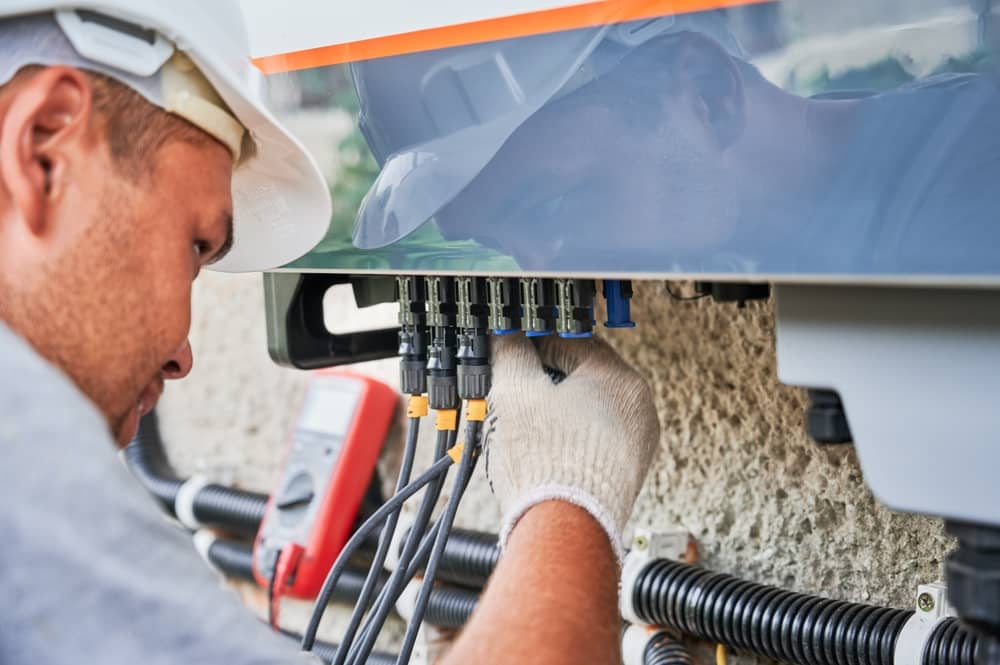
The decision to include a battery changes the calculation for your solar system size. Without a battery, any solar energy you don't use is sent back to the grid for a small credit. With a battery, you store that excess energy for use at night, which helps you avoid expensive peak rates from the grid.
If you are interested in solar battery installation in Melbourne, you generally need a larger solar array. You need enough panels to power your home during the day and extra capacity to fully charge the battery before the sun goes down.
Common options include:
A solar power system should last 25 years or more. It is a good idea to consider how your electricity use might change over the next decade. Many homeowners are currently transitioning away from gas and toward a fully electric home.
One of the biggest shifts in home energy is the move toward electric vehicles. Adding electric vehicle charging to your home will significantly increase your daily electricity use. To charge an EV primarily from the sun, you will likely need a system size larger than the standard 6.6 kW to ensure you have enough solar energy leftover after running your home appliances.
Are you planning to grow your family? Will you be installing a swimming pool or a large split-system air conditioner? These changes can double your electricity usage. Installing a larger solar PV system now is often cheaper than trying to expand an existing system later, as it avoids the need for a second inverter or additional labor costs.
Looking for solar installers in Mount Waverley, Rowville, or Narre Warren? Jet Solar provides reliable and cost-effective solar system installation across Victoria!

In the past, people installed small 3 kW systems. Today, the standard size has increased. There are several reasons why choosing a larger solar system size makes sense for most Victorian homes.
The cost of solar panel installation does not scale linearly. A 10 kW system is not twice the price of a 5 kW system. You still pay for the same labor, scaffolding, and engineering fees regardless of the number of panels. Consequently, the cost per kW actually drops as the system size increases, offering you better value for your money.
While feed-in tariff rates offered by electricity retailers have decreased over the years, they still provide a financial benefit. Any excess energy your solar power system produces is sold back to the grid. In a large system, these credits can help offset the fixed daily supply charges on your bill.
Solar panels don't produce as much electricity in winter because there are fewer solar hours per day and the sun is lower in the sky. If you size your system perfectly for summer, you will likely find it falls short in July when heating demands are high. A larger solar array ensures you still generate enough power during the shorter, cloudier days of the year, providing more consistent savings across all four seasons.
Every home is different. While a solar calculator is a great starting point to estimate the potential system size, it cannot account for specific local shading or the variability of your roof's angles.
If you’re looking to get an accurate assessment of what panels and batteries are available, you should always speak with professionals who understand the nuances of solar installation. At Jet Solar, we can analyse your usage data, and design a system that maximises your return on investment while fitting within your available roof space.
If you are ready to reduce your future energy bills and stop worrying about rising electricity prices, contact Jet Solar today for a detailed quote and expert advice tailored to your home.