
As energy prices continue to rise and global uncertainties put more strain on the family budget, more homeowners across Melbourne are turning to solar power and renewable energy. With this rise in demand, home battery storage has quickly gone from a luxury to a smart long-term investment.
Two of the most popular options on the Australian market today are the Tesla Powerwall 3 and Sungrow’s range of modular battery systems. Both are highly regarded, use modern lithium iron phosphate (LFP) technology, and are well-suited to Australian conditions. However, they differ significantly in design, performance, flexibility, and overall user experience.
So, which one is right for your home? The answer depends on your energy needs, budget, and future plans. This guide breaks down the key differences to help you make an informed choice and why you should consider going solar for your home.
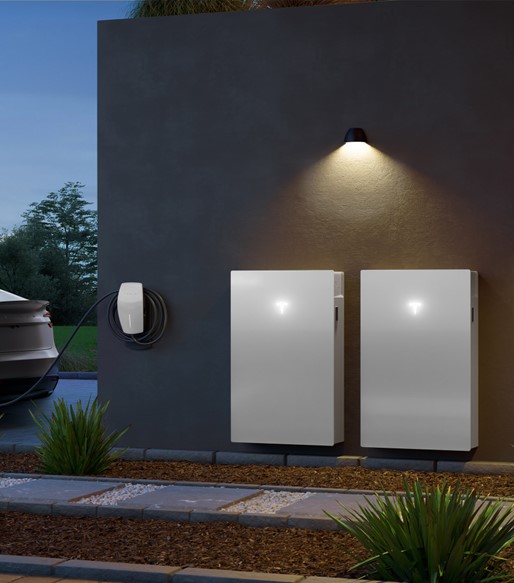
Melbourne’s variable climate and energy infrastructure is leading the nation in clean technology. With a mix of sunny and overcast days, solar generation can vary, making it important to store excess energy for use at night or during low-generation periods.
With time-of-use electricity tariffs in Victoria, batteries allow homeowners to store energy when it’s cheap or free via solar and use it when grid electricity is most expensive. Backup power is another growing priority, especially as extreme weather events can impact grid reliability.
Both Tesla and Sungrow offer complete storage solutions, but they solve the problem of storing solar energy for late use in very different ways.
The Tesla Powerwall 3 is designed as a fully integrated, all-in-one battery system. It combines the battery, inverter, and energy management system into a single unit, making installation simpler and more streamlined.
One of its standout features is its high power output. This means it can run multiple high-demand appliances simultaneously, such as air conditioners, ovens, and even electric vehicle chargers. For larger Melbourne homes with higher energy usage, this can be a big advantage.
Another key strength is its seamless backup capability. In the event of a blackout, the system can automatically switch over to battery power, often without you even noticing. This level of reliability and automation is a key factor for homeowners who want peace of mind.
Tesla also leads the way in software as the mobile app provides real-time insights into your energy usage, solar generation, and battery performance. It also allows for intelligent energy management, helping you choose when to store and use power.
However, this simplicity and performance does come at a cost. Tesla systems are generally positioned at the premium end of the market, and while they offer excellent value for their performance, these systems may not suit every budget or home.

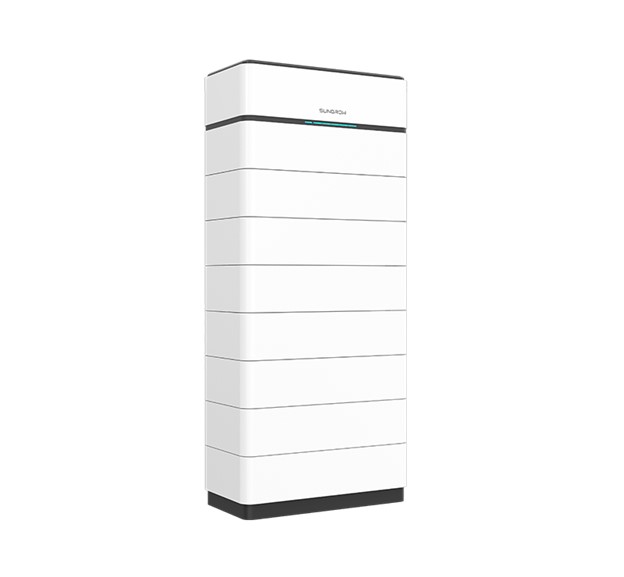
Sungrow takes a different approach by offering modular battery systems, such as the SBH and SBR ranges. Instead of a single all-in-one unit, Sungrow systems are built from multiple components, including battery modules and a separate inverter.
The biggest advantage of this design is flexibility as you can start with a smaller system and expand it over time as your energy needs grow. If you plan to add an electric vehicle or increase your solar capacity in the future, a Sungrow system can be scaled accordingly without replacing the entire setup.
This modular approach also makes Sungrow an excellent choice for homes that already have an existing solar system or for homeowners that don’t need a big setup. Because the inverter is separate, it can often integrate more easily with current installations.
In terms of performance, Sungrow batteries are reliable and efficient, though their power output per unit is typically lower than Tesla’s. However, this can be offset by adding more modules, depending on your system design.
Sungrow’s monitoring platform, while functional and informative, is generally considered less refined than Tesla’s app. That said, it still provides you with all the essential data needed to track and manage your energy usage.
The Tesla Powerwall 3 is designed for simplicity as an all-in-one home energy storage unit, which simplifies system design and installation. As much of the hardware is integrated, it typically requires fewer external components and can reduce installation time.
For many homeowners, this means a more streamlined, “set-and-forget” style setup with less decision-making around system configuration.
On the flip side, systems from Sungrow tend to be more modular and configurable. This often means more planning during design and installation, since components such as inverters, batteries, and management systems may be selected and sized separately.
The trade-off for this is flexibility. Installers can tailor the system more precisely to household energy usage, budget constraints, or future expansion needs.
Power output is one of Tesla’s biggest advantages. The Powerwall 3 can deliver high continuous power, making it suitable for running multiple large appliances at once.
Sungrow systems can achieve similar results, but typically only with larger or multiple battery modules. For households with high energy demands, this is an important consideration.
For homeowners wanting strong performance from one compact unit, Tesla is often simpler. For higher-demand homes or future expansion, Sungrow’s modular approach can be an advantage, provided that the system is designed accordingly.
This is where Sungrow shines. Its modular design allows you to expand your system gradually, making it a future-proof option for growing households or changing energy needs, such as adding an EV, new appliances, or more solar panels later.
Tesla systems can also be expanded, but only by adding additional full units, which may be less cost-effective for incremental upgrades. Expansion is typically achieved by installing additional full Powerwall units rather than incrementally scaling within a single unit.
That can make expansion less granular, but it also keeps system design simple and consistent, since each unit is self-contained with its own power electronics.
If you’re installing a new solar system alongside your battery, Tesla’s integrated inverter can simplify the process and improve efficiency.
However, if you already have solar panels installed, Sungrow’s flexible design may make integration easier and more cost-effective.
Both systems offer backup power, but Tesla is known for its seamless and automatic switchover. Sungrow systems can also provide backup, but performance depends more heavily on system design and installation quality.
Tesla leads in this area. Its app is intuitive, feature-rich, and widely regarded as the best in the industry.
Sungrow’s platform is solid and reliable but lacks the same level of polish and advanced features.
Pricing can vary depending on system size and installation, but generally speaking:
If you’re after a smaller system or on a budget, Sungrow can be more affordable. For high-performance, all-in-one solutions, Tesla often delivers strong value despite the higher upfront cost.
Choosing between Tesla Powerwall 3 and Sungrow all comes down to your priorities, budget and needs.
If you value simplicity, performance, and a premium user experience, Tesla is hard to beat. It’s particularly well-suited to larger homes, new solar installations, and homeowners who want a reliable, low-maintenance system.
On the other hand, if flexibility and scalability are more important to you, Sungrow is an excellent choice. It’s ideal for those who want to customise their system, expand it over time, or integrate with an existing solar setup.
By doing your own research and speaking to the experts, you can get all the information you need about your solar battery from your installer. So, if you need advice on finding the right solar battery storage system in Melbourne, get in touch with Jet Solar today!

Both Tesla Powerwall 3 and Sungrow batteries are excellent choices, and neither is universally better than the other. Instead, the best option depends on how you plan to use your system.
For homeowners seeking a sleek, powerful, and easy-to-use solution, Tesla Powerwall 3 stands out as a premium all-rounder. For those who prefer flexibility, scalability, and a more customised setup, Sungrow offers outstanding versatility.
Melbourne’s growing population means more strain on the grid system, so investing in a home battery is a wise choice. By carefully considering your current needs and future plans, you can choose a system that not only reduces your energy bills but also adds long-term value to your home.
When it comes to installing solar in your home, there’s a lot to consider, from how much will it cost? How do you find the right installer? And is it worth it in the long term?
As more Melbourne households transition toward renewable energy, the decision between Tesla and Sungrow becomes increasingly relevant. Both systems represent the future of home energy storage, offering cleaner, more efficient ways to power your home.
The key is to align your choice with your lifestyle, energy habits, and long-term goals. Whether you opt for Tesla’s all-in-one convenience or Sungrow’s modular flexibility, you’ll be taking a significant step toward greater energy independence and sustainability.
As the leading solar installers in Rowville, Wheelers Hill and Officer, Jet Solar delivers the highest quality workmanship along with the highest quality customer service. Call us today to find out more about solar batteries today.