
Want to save money, add value to your home, and do something genuinely positive for the environment? Solar batteries tick all three boxes, and right now they make more sense than ever. With rebates of up to $18,500 available in Melbourne, the financial barrier that once stopped people from adding battery storage has come down in a big way.
If you already know that a solar battery is the next step for your home, the real question becomes this: how do you choose the right one? That is exactly what we’re unpacking here.
Australia currently has the highest uptake of household solar in the world (Source), and batteries have quickly become a key part of this push. A recent REA article also highlighted the real-time benefits that come with solar installation. According to their 2025 estimates, the average Australian household with solar technology increases property value by $23,000 and reduces their annual energy costs by more than $2,000.
For years, rooftop solar was all about exporting excess energy back to the grid. That model worked well when feed-in tariffs were generous. A solar battery flips that equation. Instead of selling your excess energy cheaply during the day and buying it back at a premium at night, you store it and use it yourself. That single change is why batteries are gaining so much traction.
Add in the fact that extreme weather events and grid outages are becoming more common, and battery storage suddenly looks less like a luxury and more like smart household infrastructure.
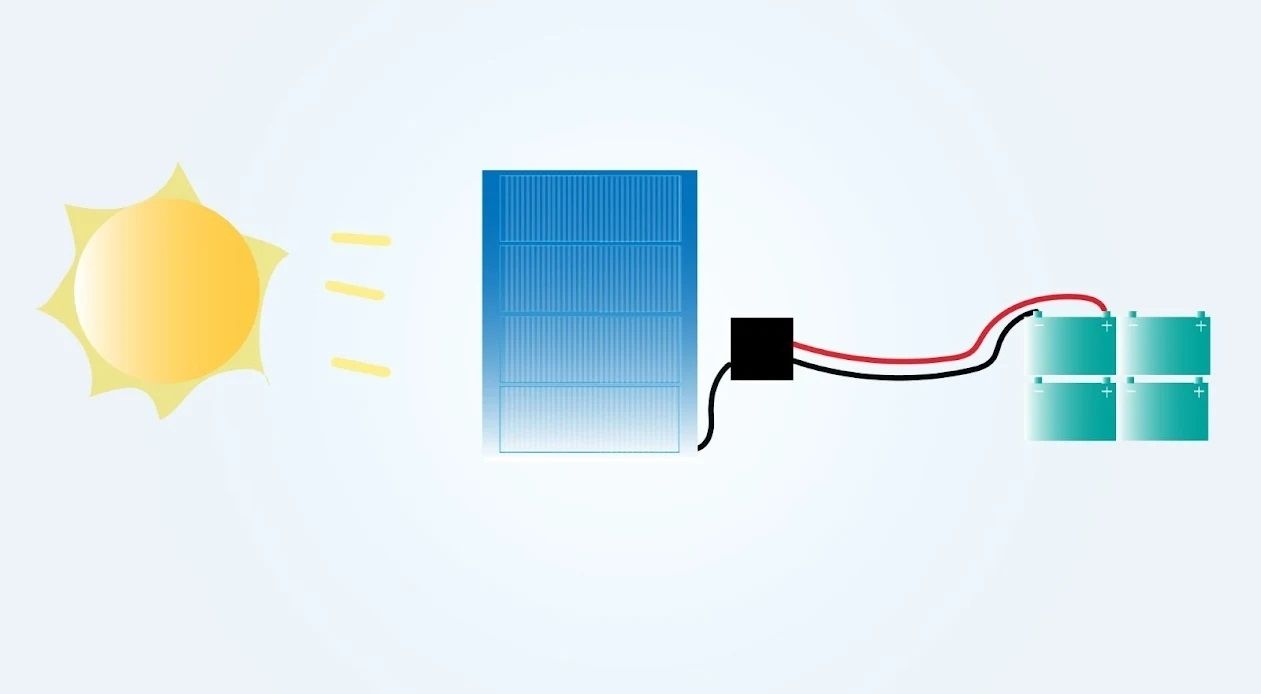
At its core, a solar battery does one simple job very well. It stores the excess electricity your solar panels produce during the day so you can use it later.
During daylight hours, your panels power your home first. Any unused energy is then sent to the battery rather than straight back to the grid. Once the sun goes down, your home automatically starts drawing power from the battery before pulling electricity from the grid.
Modern solar batteries use lithium-ion or lithium iron phosphate technology, similar to what you find in electric vehicles. These chemistries are popular because they are efficient, long-lasting, and capable of thousands of charge cycles without significant degradation.
A smart inverter manages all of this in the background. You don’t need to flick switches or monitor usage manually. The system prioritises your stored solar energy and only taps into the grid when needed.
The end result is higher self-consumption of your solar power, lower bills, and far less reliance on energy retailers.
Victoria’s previous interest-free battery loan has been replaced by the federal Cheaper Home Batteries Program, introduced on 1 July 2025. This program offers a discount of around 30 percent on eligible solar batteries with a capacity between 5kWh and 50kWh.
Even though the scheme officially launched in July, it applies to batteries purchased and installed from 6 April 2025. Rebates are based on usable capacity and are capped at $18,500 per household.
The program is backed by the federal government, with oversight from DCEEW, and it is not means-tested. That means eligibility is not based on income, which opens the door for a wide range of homeowners, small businesses, and community facilities.
Batteries can be installed alongside new or existing solar systems, and while participation in a Virtual Power Plant is optional, the battery must be VPP-ready. Interested? Get in touch with us to learn all about the current Solar Battery Rebate program in Melbourne.
Not all solar batteries are built the same, and choosing the right one depends on how much energy you use, when you use it, and what you want the system to do.
The Powerwall 3 is designed as an all-in-one solution. That’s why it’s billed as a “battery to power everything”. It combines a battery and a built-in solar inverter into a single, compact unit, which simplifies installation and system design.
One of the biggest advantages is its ability to deliver whole-home backup power. With up to 10kW of continuous output, it’s even able to keep multiple appliances running during a blackout.
Another advantage is that it’s highly scalable. If and when your energy needs grow, whether through an EV or smart home automation, you can stack multiple units to expand capacity over time.
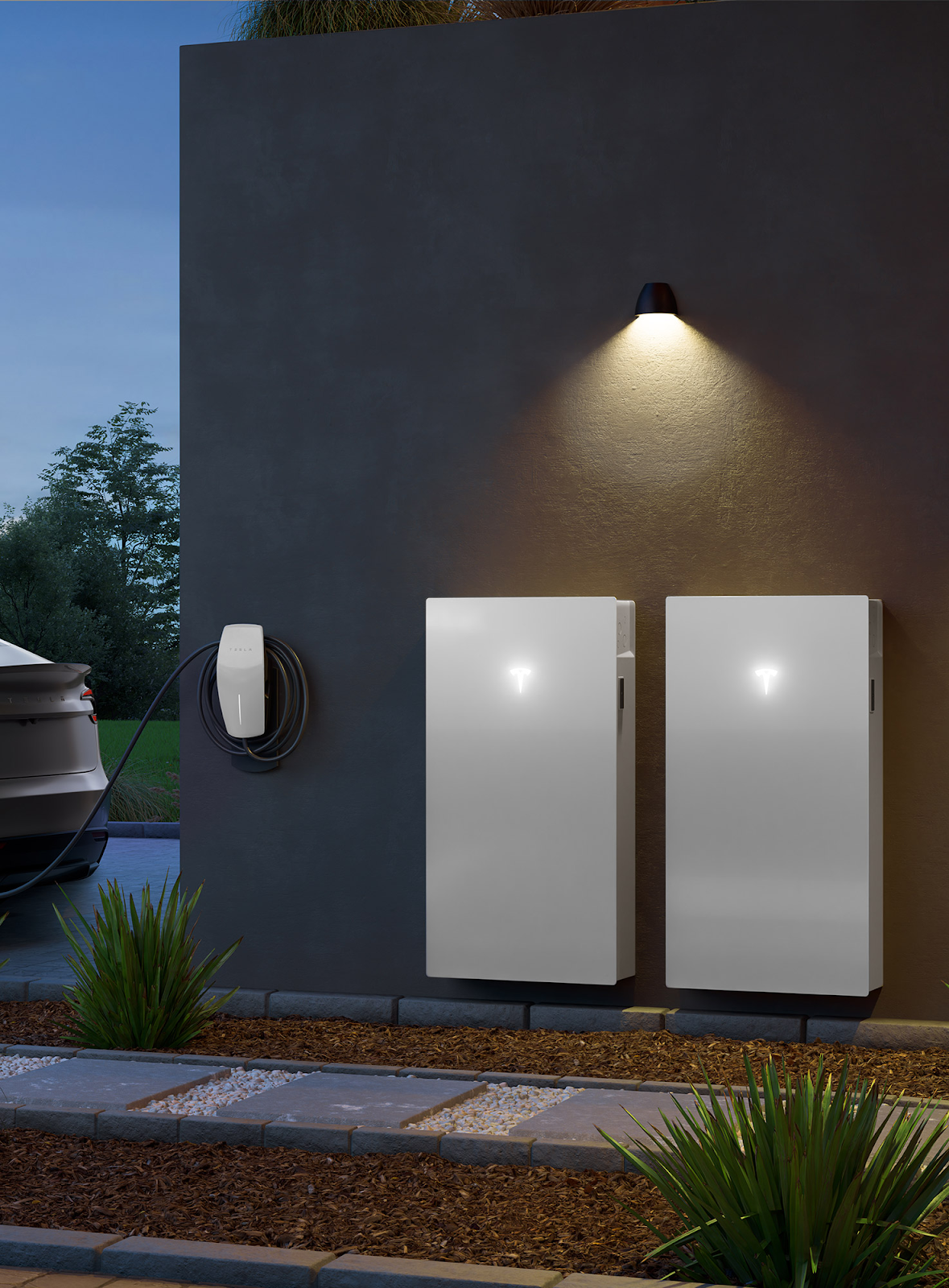
For households that want premium performance, strong backup capability, and seamless software updates, this option is hard to overlook.
Head here to see a recent Tesla Powerwall Installation in Victoria!
For larger homes or properties with high energy demand, Sungrow’s SBH range offers serious flexibility.
These batteries are modular, allowing capacity to scale from around 25kWh up to 160kWh across multiple units. They use lithium iron phosphate chemistry, which is known for thermal stability and long service life.
High power output makes them well suited to homes with heavy loads, and the modular design means future expansion is straightforward. Installation is also simplified thanks to a plug-and-play structure with no cabling between battery modules.
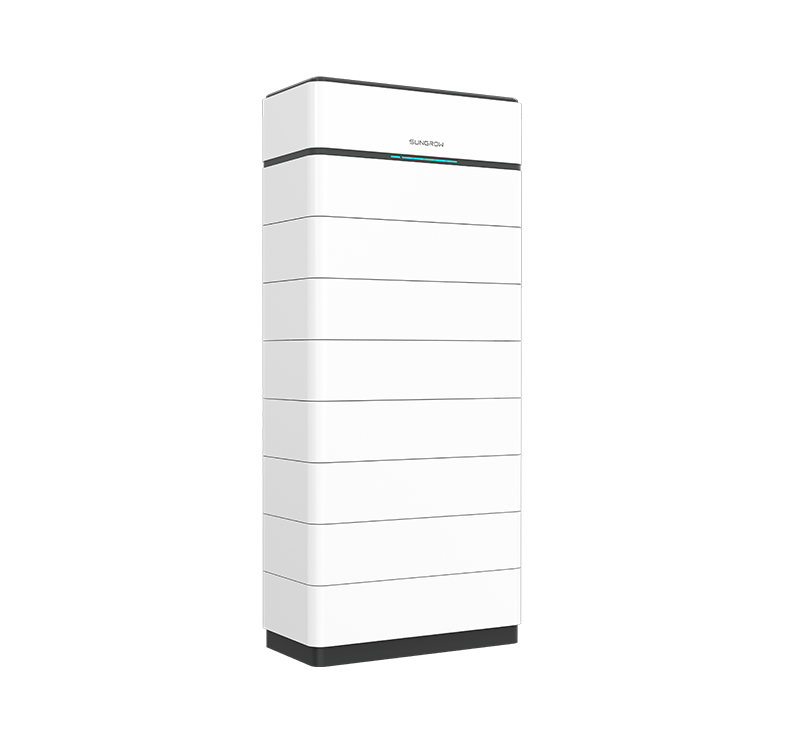
This option suits households planning long-term electrification or those already running energy-intensive systems.
The SBR range is a more compact modular option, starting from around 6.4kWh and scaling beyond 25kWh per unit.
These batteries are ideal if you’re looking for flexibility without committing to a large upfront system. This way, you can even start small and add modules later as your needs change.
They offer high efficiency, 100 percent usable energy, and a lightweight design that makes installation easier, even in tighter spaces.
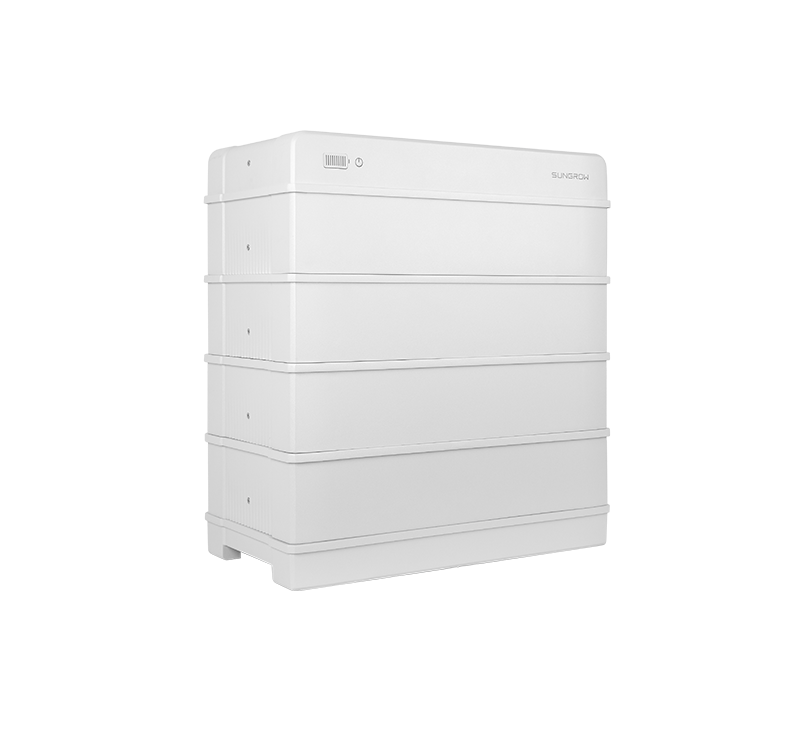
For many families, this strikes a nice balance between affordability, performance, and future-proofing.
Start by looking at when you consume the most power. If your usage spikes in the evening, battery storage becomes far more valuable. If you are home during the day and already using most of your solar generation, a smaller battery may be sufficient.
Future plans matter too. If you’re planning to buy an electric vehicle, induction cooking, install smart home tech, or heat pump hot water systems, this will all change your energy profile dramatically. Fortunately, the Tesla Powerwall 3 Expansion Pack fits the bill beautifully. Once installed, this pack gives you even more stored energy, more backup, and more savings.
Of course, in addition to doing your own research, the best source for accurate information will be your solar battery installer. So, if you need advice on finding the right solar battery storage system in Melbourne, give us a call today!
A solar battery is only as good as the system it is connected to. Get it poorly or improperly installed and you're opening the door to reduced efficiency, safety issues, and warranty headaches down the line.
In Australia, installers should hold Solar Accreditation Australia certification, which confirms they have the training required to work with complex electrical systems. Being a New Energy Tech approved seller also adds another layer of consumer protection.
Another important factor is experience and a proven track record. Companies that have been operating for over a decade have weathered industry changes and are far more likely to be around if you ever need warranty support.
Equally important is who actually does the work. Installers that rely heavily on subcontractors often struggle with quality control. In-house installation teams provide accountability and consistency, which is critical for something as technical as battery storage. This will help you to avoid operations that have suddenly sprung up overnight.
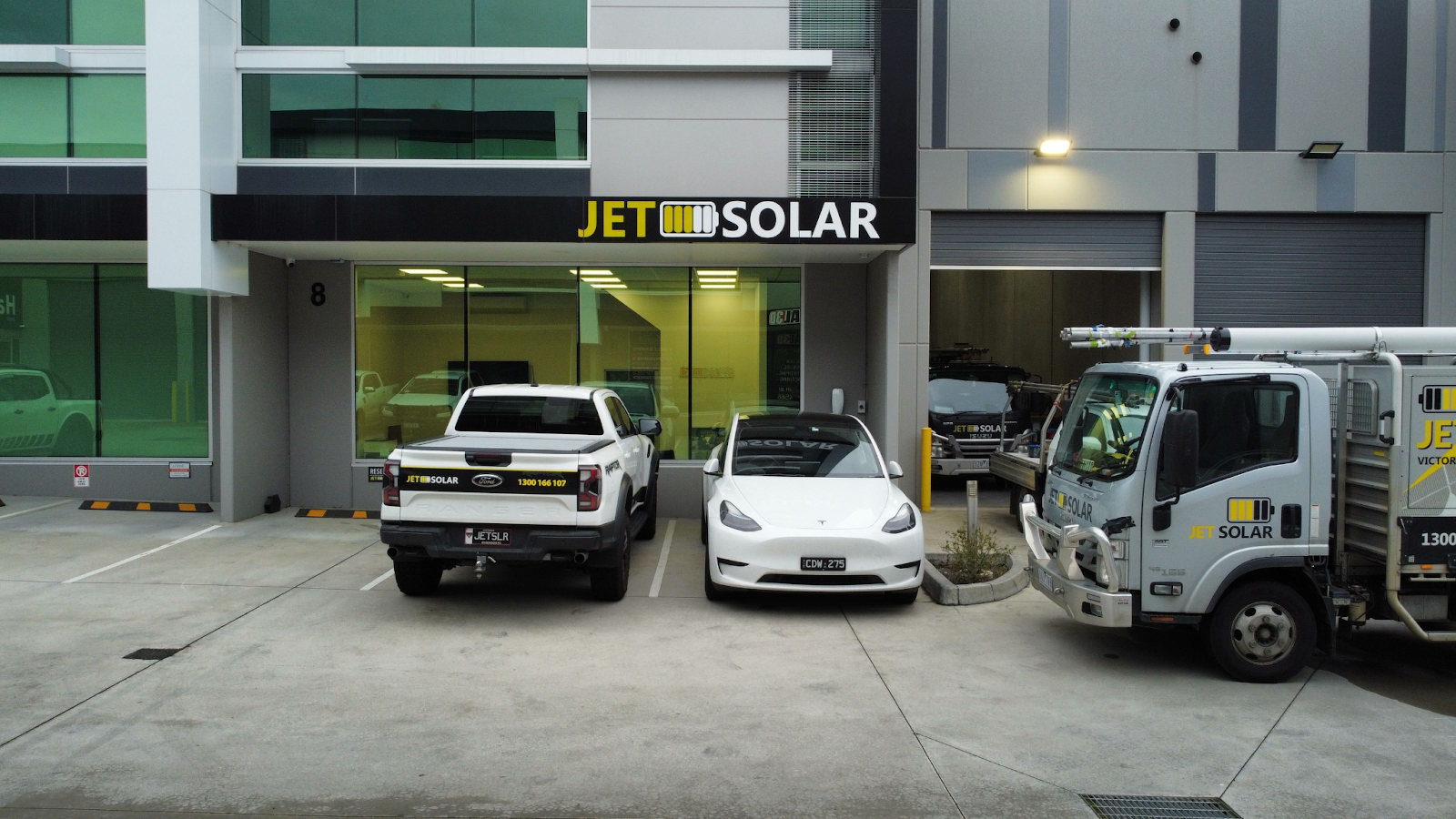
Ready to take advantage of the solar battery rebate program in Melbourne? Jet Solar is just the place to start. We’re Melbourne-based and led by Jason Dickinson. Jason is a seasoned solar expert with over 15 years of experience and has personally overseen around 2,500 installations.
We’ve been helping Melbournians to fight climate change for many years, and are a proud provider of the solar battery rebate program in Melbourne. We only work with trusted brands like Tesla and Sungrow, and are a certified Powerwall Premium Certified Installer.
Once you’ve secured the rebate, our SAA-accredited installers will be right there to manage everything from design and paperwork to the day of the installation. We don’t use subcontractors and proudly handle it all in-house.